Mother-to-child disease transmission and health inequalities: why every mother deserves an equal chance
Vertical transmission follows biological pathways, but whether an infection is found in time is decided by access to care. The medicine already exists. What is unequal is who can reach it.
Mother-to-child transmission, also known as vertical transmission, is the passing of certain illnesses from a pregnant woman to her child during pregnancy, during labour and birth, or during breastfeeding. Unlike infections that spread by coughing, close contact or contaminated surfaces, vertical transmission follows particular biological pathways that link maternal and infant health.
The placenta, the birth canal and breast milk all play vital roles in a baby's growth. Those same pathways can also allow harmful pathogens to cross protective barriers and reach the developing child. Understanding these mechanisms matters, because it explains how many of these illnesses can be avoided through prompt care, effective treatment and continuous support.
Biology, however, tells only part of the story. Both social and medical factors influence the risk of transmission. Access to antenatal care, early screening, affordable medicines, skilled birth attendants and follow-up services often decides whether an infection is found before it affects the baby.
In some communities, health disparities create barriers long before labour begins. Poverty, inequality, discrimination, underfunded health systems and limited access to essential maternal services all raise the chance that a preventable infection goes undetected or untreated. Transmission happens through biological processes, but vulnerability is created by unequal access to care. Reducing mother-to-child transmission requires both effective medicine and a dedication to health equity.
The window of risk
Mother-to-child transmission does not happen in a single moment. It can occur at three stages: during pregnancy, during labour and delivery, and after birth through breastfeeding. Each stage involves a different biological mechanism, and each offers an opportunity for prevention where adequate care is available.
During pregnancy
Throughout pregnancy the placenta is an exceptional protective organ, supplying oxygen and nourishment while shielding the developing fetus from many harmful substances. Some pathogens, however, can cross this barrier. Once in the fetal circulation they can affect growth, organ development and the outcome of the pregnancy.
The risk of transmission depends on several factors: the type of infection, the mother's immune response, the amount of pathogen present in her bloodstream, and how early treatment begins. Routine antenatal screening is therefore one of the most effective tools available for finding infections before they reach the fetus.
During labour and birth
The second window of risk is labour and delivery. Certain pathogens can reach the baby through the birth canal, or through contact with maternal blood and body fluids.
For some conditions, well-planned medical intervention reduces this risk substantially. Antiviral treatment during pregnancy, a carefully managed delivery plan and timely medicines for the newborn can each interrupt the route of transmission. These measures work best when the care team knows about an infection before labour begins.
Delays in antenatal care, or its absence, often mean those opportunities are missed. Without routine screening, clinicians may have very little time to put preventive measures in place before delivery.
After birth
Breastfeeding provides ideal nutrition and protects infants against a range of illnesses. In certain situations, though, a small number of infections can pass through breast milk.
In higher-income settings, clinicians may be able to offer alternatives that are both safe and practical. In many low-income communities replacement feeding is not always feasible. A family without reliable access to safe drinking water faces serious risks in preparing infant formula, and unsafe water can expose a newborn to potentially fatal diarrhoeal infection.
Clinicians must therefore weigh the small risk of transmission against the risks of malnutrition and unsafe feeding. The safest option is usually decided by local conditions rather than by a single universal rule.
This points to something essential about maternal health. Medical advice is bound up with the realities of family life. Safe infant feeding requires not only clinical guidance but also clean water, sanitation, affordable nutrition and continuing medical care.
Which infections can pass from mother to child?
Several infectious diseases can be transmitted during pregnancy, childbirth or breastfeeding. Each behaves differently, but early detection and appropriate treatment substantially reduce the risk in every case.
HIV
HIV is one of the most closely studied examples of mother-to-child transmission. Without medical intervention, transmission can occur during pregnancy, during labour and delivery, or through breastfeeding.
Modern medicine has transformed the outlook. Where antiretroviral therapy begins early, is taken consistently and is combined with good obstetric care, the risk of transmission can fall below one per cent.
That progress shows what is achievable when a health system works as it should. Regular viral load testing, an uninterrupted supply of medicines, trained staff and sustained follow-up allow families to benefit from decades of scientific advance.
These gains are not shared equally. In many low-resource settings, interruptions to drug supplies, limited laboratory capacity, the cost of transport and late diagnosis make long-term treatment harder to sustain. That is not a failure of medical research. It is a failure to distribute what research has already achieved.
Syphilis
Syphilis remains one of the leading preventable causes of stillbirth, newborn death and congenital infection worldwide. The bacterium that causes it can cross the placenta at various stages of pregnancy and put the developing baby at risk.
Screening for syphilis is straightforward, inexpensive and highly effective when it forms part of routine antenatal care. Yet many pregnancies are not screened in time. Limited laboratory capacity, shortages of testing materials and delayed access to antenatal services mean preventable cases continue to go undiagnosed.
Prevention is more powerful than treatment alone
Across all of these infections the same lesson emerges. Prevention begins with access.
Routine antenatal visits create the opportunity to screen before symptoms appear. Laboratory testing allows clinicians to detect infection early. A reliable supply of medicines means treatment starts promptly. Skilled maternity care allows a delivery plan to be matched to a woman's clinical needs.
Science has already produced effective ways of reducing several forms of mother-to-child transmission. The harder problem that remains is making sure those methods reach every family, wherever they live and whatever they earn.
Why health inequalities matter
Medical factors shape the risk of transmission, but they do not act on their own. The wider conditions in which people live, work and seek care often decide whether preventive treatment arrives in time. In HIV, for instance, maternal viral load is a decisive factor. Higher levels raise the chance that the virus crosses biological barriers, and effective treatment suppresses replication and lowers that chance substantially.
Maternal nutrition, immunity and existing health conditions likewise affect the outcome of a pregnancy. Each of these biological markers is shaped in turn by social and economic circumstances.
Late entry into antenatal care remains one of the most significant obstacles. Some women delay seeking care because the clinic is far away, because appointments are unavailable, because transport is expensive, or because work makes time off impossible. Others face language barriers, or fear being treated with disrespect.
Underfunded community clinics face their own constraints. Limited staffing, a shortage of diagnostic equipment and unreliable laboratory services make comprehensive screening difficult in the early weeks of pregnancy, which is when intervention is most effective.
When those windows are missed, the chance of timely treatment narrows sharply. A condition that routine care would have managed may instead be found late in pregnancy, or after the birth.
Health inequalities therefore act at every level of prevention. They determine whether an appointment exists, whether a test is run, whether the medicine is in stock, and whether a family receives continuing care through pregnancy and beyond.
Improving maternal and child health means recognising that identical clinical guidelines do not produce identical outcomes. Equity means making sure every family can actually reach the care that allows modern medicine to work.
Turning knowledge into action
Reducing mother-to-child transmission is one of the clearest demonstrations of how prevention saves lives. Many effective interventions already exist. What they require is reach.
Routine antenatal care should include early screening for HIV, syphilis, hepatitis B and other locally relevant infections, with repeat testing later in pregnancy for those who remain at risk. Early diagnosis allows treatment to begin well before delivery, and leaves time to monitor a mother's health throughout.
Where antiretroviral therapy, antibiotic treatment, preventive medicines for newborns, vaccination and carefully planned delivery are applied as a matter of routine, outcomes for mothers and infants improve.
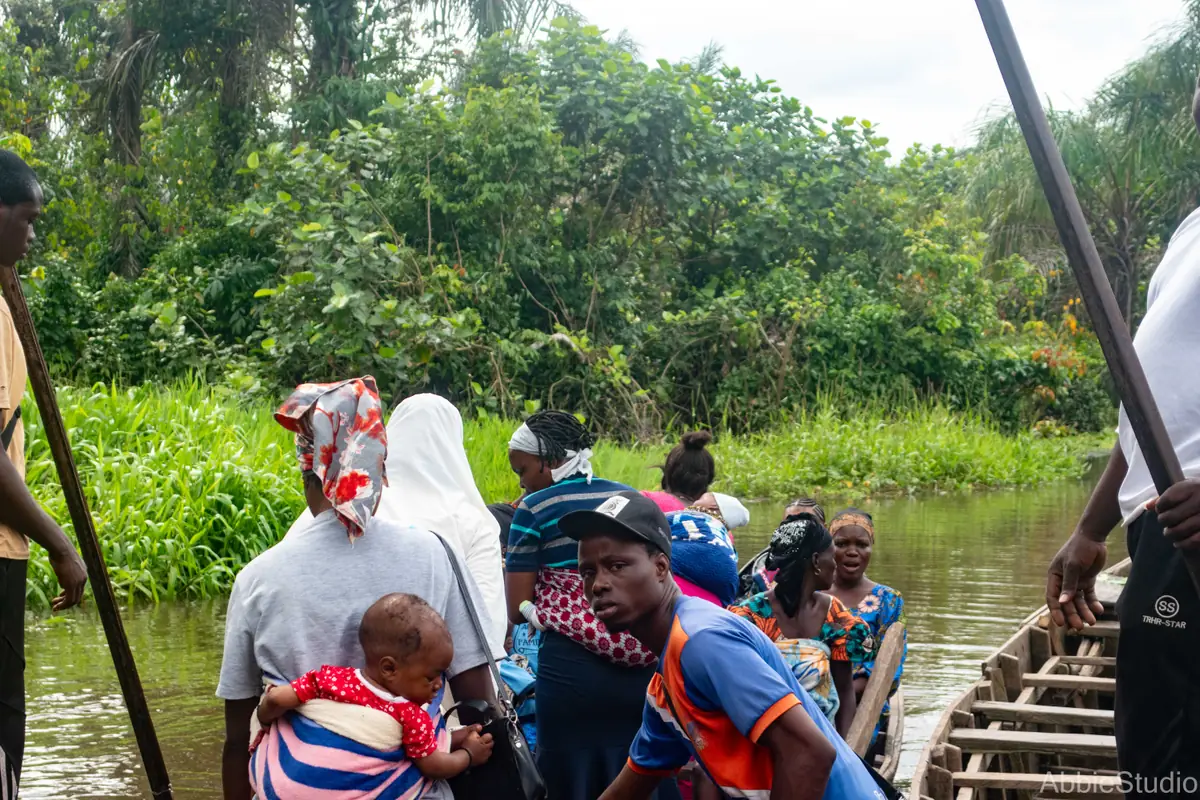
Care cannot stop at the clinic door. Mobile health services can bring screening and education to underserved communities. Community health workers are essential in building trust, supporting adherence to treatment, delivering health education and connecting families to continuing care. Investing in those local networks closes gaps that formal health systems often leave open.
Grace Maternal Foundation works alongside families, health professionals and local communities to improve maternal health, widen access to essential services, and address the disparities that continue to put mothers and newborns at risk.
You can be part of that change. Support our community programmes, or take part in our local advocacy work. Together we can help make sure that every child begins life in the best possible health, and that every family receives the care it needs.
© 2026 Grace Maternal Foundation. All written content on this site, including blog posts and articles, is the property of Grace Maternal Foundation. This content may be shared with credit to Grace Maternal Foundation and a link back to the original page. Please do not reproduce without attribution.
Back to the journal